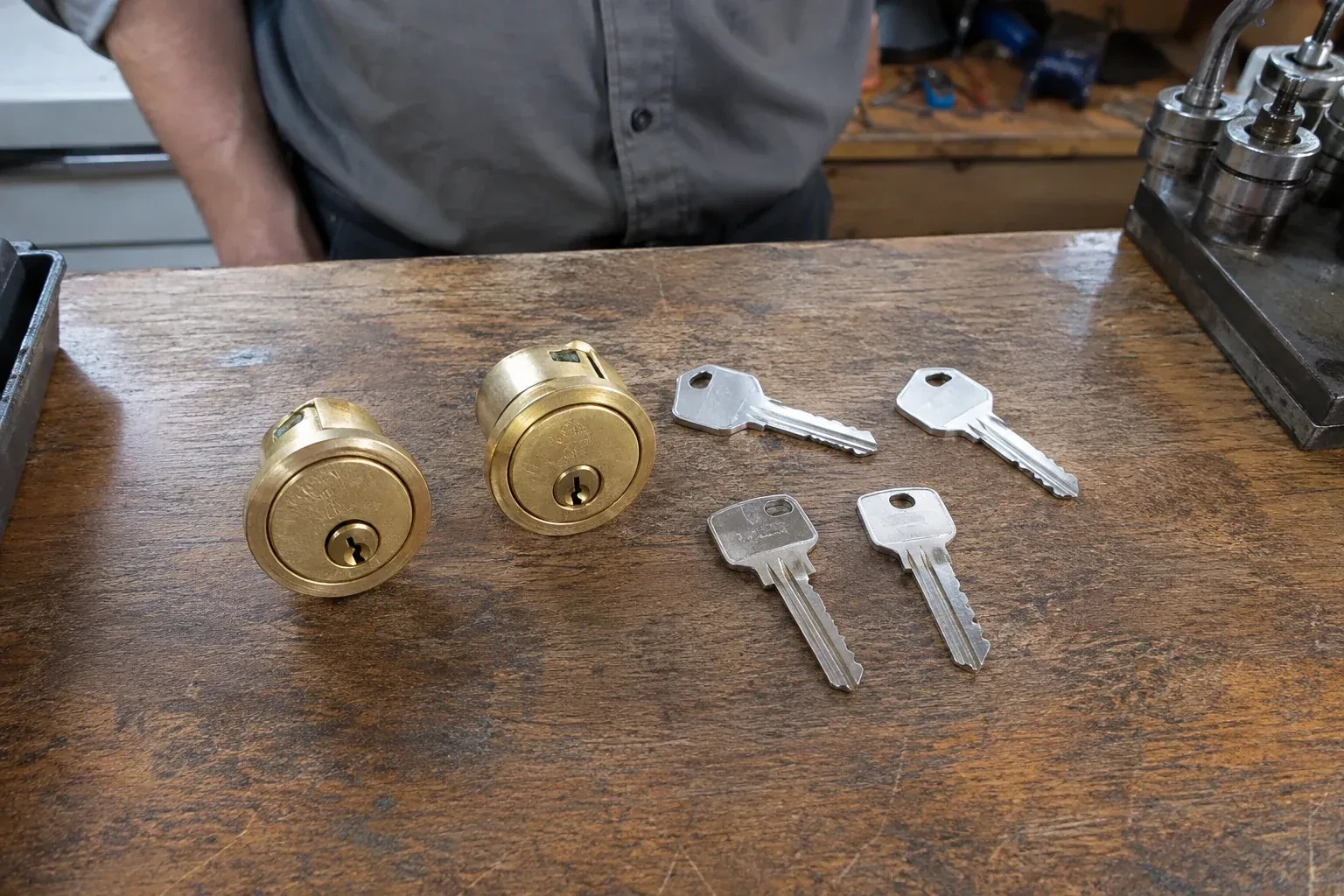
Change or rekey · Toronto
Lock Rekeying
The previous owners left a coffee tin of keys on the counter, some labelled, most not. The house is yours now, but you have no idea how many copies were cut over the years or who still has one in a drawer somewhere.
Call now · open 24/7(289) 804-8591In plain words
For landlords and tenants, rekeying is the tidy way to handle a change of occupancy. A departing tenant may have copied a key or simply forgotten to return one, and a fresh pinning means the incoming tenant is the only person holding a working key. Tenancy rules in this province expect a landlord who changes locks to give the tenant a replacement key and a tenant to have the landlord's consent before changing them, so a locksmith asks who is requesting the work and makes sure both sides end up with a key. A small record of the doors and key count keeps everyone clear.
How the visit goesYour roommate moved out last weekend. Rent is settled, the room is empty, and the key is still on their ring. You trust them, but the lock on your front door should answer to the people who actually live here.
Lock Rekeying · Toronto
How the visit goes
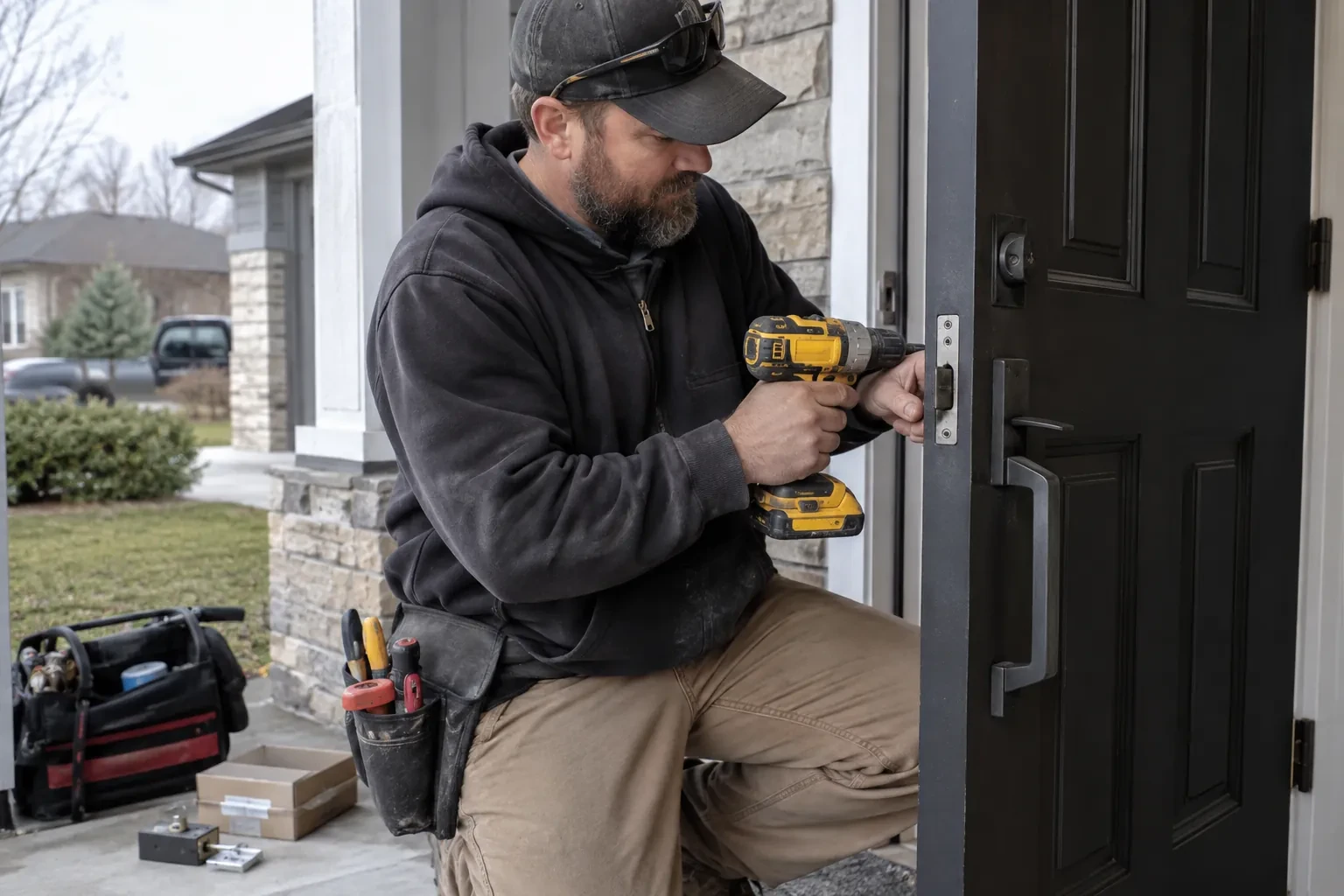
- 1
The condition of every cylinder
A cylinder about to be pinned to a new key should be worth pinning. The locksmith turns the existing key in each lock and feels for a plug that drags, soft springs, a wobbling cam or a keyway packed with grit and old oil. A cylinder in good order is rekeyed as it is. A worn one is cleaned and given fresh springs while it is apart, and one that has truly worn out is pointed out so you can choose a replacement rather than have new pins dropped into a tired lock. A bolt that binds against its strike gets noticed here too, so the strike can be adjusted while the locksmith is at the door.
- 2
Proving the old keys are finished
The last operation at every door is the test that matters most. The locksmith turns the new key from outside and inside with the door open, then closed, and confirms the bolt throws fully and draws back cleanly. Then the old key is tried in the same cylinder and must turn nothing. This is repeated at every rekeyed door, because the door that gets skipped is the one an old key still opens. Spares cut from the new pinning are tried in every lock they are meant for. The old keys, now just shaped brass, are collected or handed back to you for the recycling bin.
- 3
The old keys are just metal now
Whatever was out in the world before today, the copy the contractor kept, the key the former roommate never returned, the ring that went missing on the bus, none of it turns a lock on your property any more. That is the whole point of the visit, and it is worth saying plainly because people sometimes keep worrying afterwards. If you still hold old keys, they can go in the metal recycling. There is no need to change the door hardware or your routine, but any keypad code known to someone whose access is ending should be deleted or changed separately, since rekeying the mechanical cylinder does not touch those codes.
In the van
- Key tags and keying record
- Key gauge
- Replacement cylinder for odd keyways
- Dry graphite or PTFE lubricant
- Key blanks
What affects the quote
- 1
Number of keys cut
Keys are cut and tested individually, so the total depends on how many the household or the tenants need. Say the number when you book and the quote reflects it from the start.
- 2
Upgrades chosen during the visit
Some people take the opportunity to replace a double-cylinder deadbolt with a thumb-turn model, add a reinforced strike or move to a heavier deadbolt. None of it is needed to rekey; each is a separate line.
- 3
Smart lock override cylinders and codes
Pinning the backup cylinder of a keypad or app lock to the house key is a small extra task, and reviewing or deleting user codes at the same time is another, each named in the quote.
Same fees day, night or weekend.
Lock Rekeying: questions
Should I rekey when I move into a new home?
It is the single most common reason to rekey, and a sensible one. A resale home has typically passed through owners, agents, inspectors, cleaners and trades, any of whom may have had a key cut. A newly built home has been opened by construction crews using a builder's key. Rekeying on move-in means the only working keys are yours, and the same visit can bring every exterior door onto a single key, retiring the assorted keys you inherited.
Can a smart lock or keypad deadbolt be rekeyed?
The mechanical part of it can. Many keypad or app-controlled deadbolts hide a small keyed cylinder under a cap for the day the batteries fail, and that cylinder can be pinned to your house key so the backup key on your ring is the same one that opens the other doors; some models are key-free and rely on an external battery backup instead. Codes are a separate matter: the locksmith will suggest deleting any code belonging to someone who no longer needs access at the same time.
How long does a rekeying visit take?
It scales with the number of cylinders and how many need attention beyond pinning. A single deadbolt is a short bench job; a whole house with five or six exterior cylinders, a couple of swaps for mismatched keyways and a set of spares to cut and test takes a good deal longer. Tell the locksmith how many doors you want included when you book, and the visit can be planned realistically rather than guessed at.
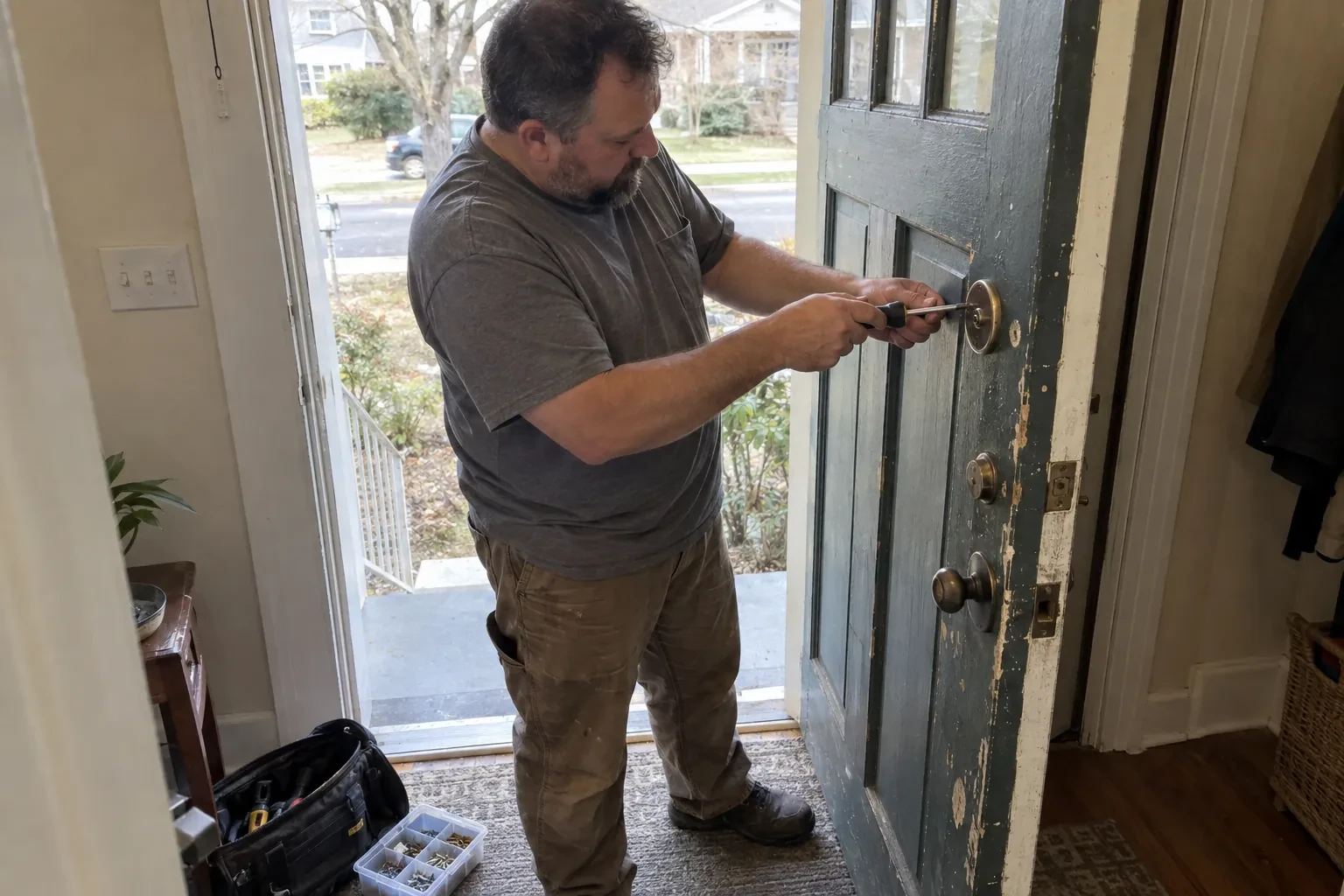
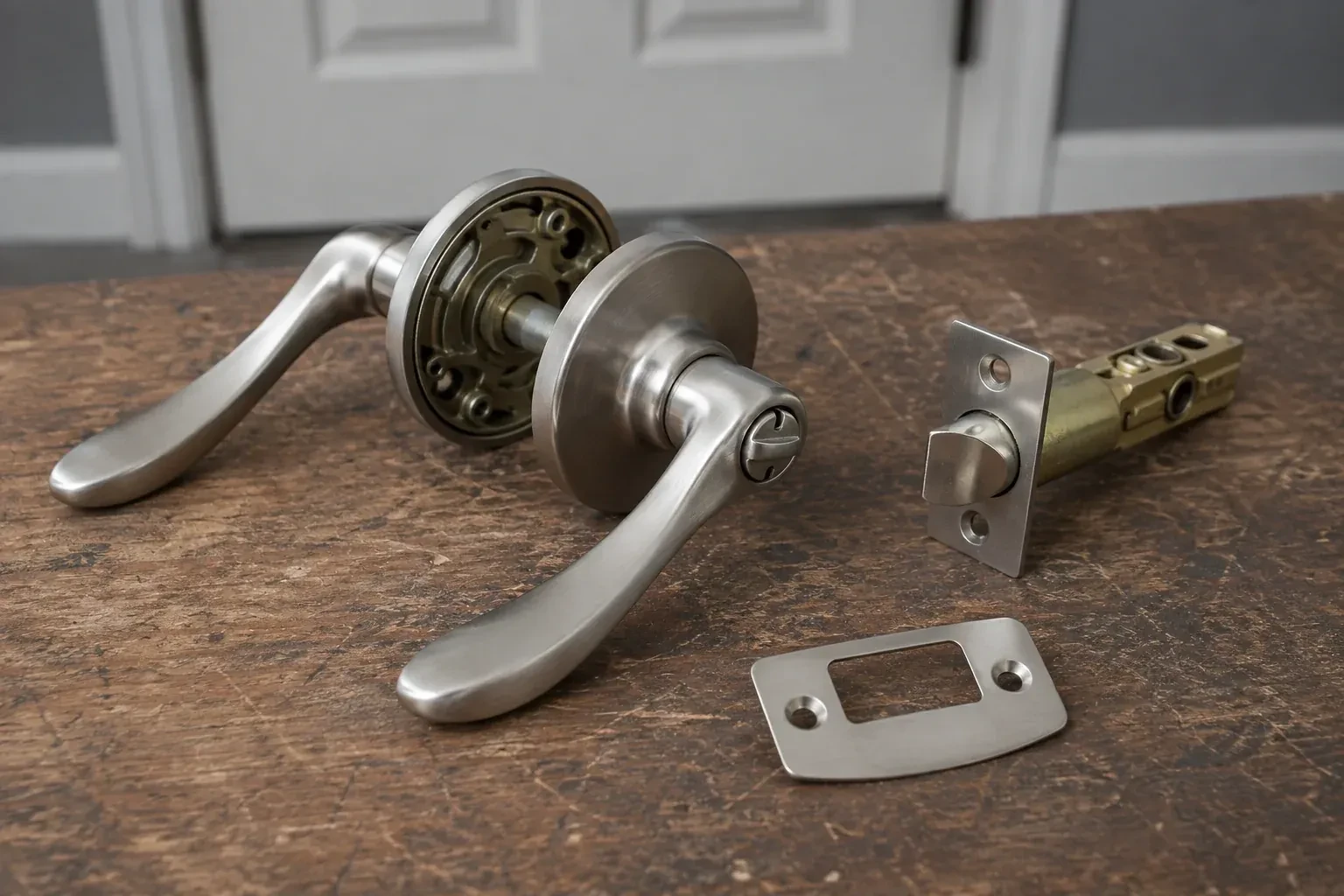
Lock Rekeying near you
Toronto, Ontario
Toronto information
- Town
- Toronto, Ontario
- In business
- 22 years
- Hours
- Open 24/7 · nights, weekends and holidays, same fees
- Phone
- (289) 804-8591
- Visits
- On-site assessment preferred. Request a visit or call.
What the census means at the door
58%
Older homes. About 58% of homes in Toronto were built in 1980 or earlier, according to the 2021 Census.
Basement and side entries on older homes were often fitted long after the house was built, with whatever lock was on hand. Bringing those doors up to the standard of the front entry, and onto the same key, is a common and satisfying job.
23%
Single-detached houses make up about 23% of homes in Toronto (2021 Census).
Landlords and property managers dominate in attached housing, and they want keys organised. A locksmith sets up master systems so a manager carries one key while each tenant's key opens only their own door.
Open 24/7
Request a visit
The previous owners left a coffee tin of keys on the counter, some labelled, most not.
Call now · open 24/7(289) 804-8591- On-site assessment preferred
- Same fees day, night or weekend
- 22 years in business